
An offset smoker is one of the best ways to cook real BBQ.
It also scares a lot of people off.
- It’s hands-on.
- It runs on real fire.
- And it doesn’t forgive rushing or guessing.
That is exactly why I put this offset smoker guide together.
In this guide, I walk you through the basics without turning it into a textbook. I will explain how an offset smoker works, what actually matters, and how to use one without overcomplicating things.
Here’s what I focus on most:
- The offset smoker basics every beginner needs to understand
- What to do before your first cook (this part matters more than people think)
- Fire management, which is the make-or-break skill with offsets
Most problems with offset smokers come down to fire control and expectations.
I will help you get both right from the start.
If you are new to offset smoking, this page will give you the big picture and point you in the right direction so you can start cooking with confidence, without feeling overwhelmed.
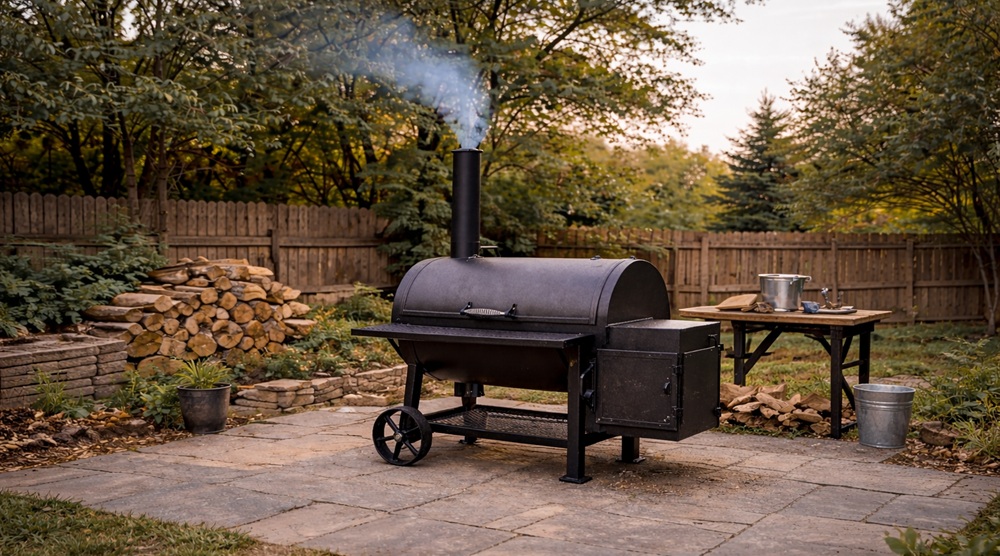
What Is an Offset Smoker?
An offset smoker is a smoker where the fire lives in a separate box attached to the side.
The food cooks in a larger chamber next to it, not directly over the fire.
That separation is the whole point.
Instead of blasting food with direct heat, the fire burns in the firebox. Heat and smoke travel into the main chamber and wrap around the meat. That’s why offset smokers are built for low and slow cooking.
In plain terms, here’s how it works:
- Fire burns in the side firebox
- Heat and smoke move into the cooking chamber
- Meat cooks with indirect heat and steady smoke
This setup is what helps create deep smoke flavor and good bark on cuts like brisket and ribs.
Most offset smokers are made from thick steel and built for long cooks. They take more hands-on work than pellet or gas smokers, but that is also why a lot of pitmasters love them.
With an offset smoker, you control the fire.
And when you control the fire, you control the cook.
How Does an Offset Smoker Work?
An offset smoker works by keeping the fire separate from the food.
The fire burns in a small firebox attached to the side, not directly under the meat.
Heat and smoke move from the firebox into the main cooking chamber, then exit through the chimney on the opposite end. That movement is what makes an offset smoker work.
Here’s the basic flow:
- Fire burns in the side firebox
- Heat and smoke travel into the cooking chamber
- Smoke exits through the chimney, pulling fresh air through the smoker
As the fire burns, hot air and smoke move naturally across the cooker. This creates indirect heat, which allows low and slow cooking without burning the meat. The chimney isn’t just there for looks. It pulls air through the smoker, keeps the fire alive, and keeps the smoke moving.
Because the fire is off to the side, an offset smoker cooks differently than grills or vertical smokers. You are not cooking with direct heat. You’re cooking with moving heat and clean smoke.
Once you understand that flow and the science of smoking meat, everything else about offset smoking starts to make more sense.
Offset Smoker Basics for Beginners
Offset smokers are different from most other cookers. They don’t run on buttons or dials, and they don’t hold temperature on their own.
Instead, they run on live fire.
That means you are part of the cooking process the entire time.
If that sounds intimidating, it’s normal.
Every beginner struggles at first.
- Temperatures will move.
- Fires will need attention.
- And a few cooks won’t go exactly as planned.
That’s all part of learning how your offset smoker behaves.
Here is what surprises most beginners:
- You are managing a fire, not setting a temperature
- Small adjustments matter more than big ones
- Clean smoke matters more than chasing exact numbers
The upside is control. Once you understand the basics, an offset smoker lets you cook with steady heat and clean smoke in a way other smokers can’t match.
If you’re willing to slow down and learn the process, the results are worth it.
Offset Smoker First Use (What to Do Before Your First Cook)
Before you cook anything on an offset smoker, there are a few things you need to do first.
Skipping this step is one of the most common beginner mistakes, and it can mess with flavor and how your smoker performs long-term.
First use is about getting the smoker ready, not making food.
Most of the time, the first use includes:
- A basic cleaning
- Seasoning the inside of the cooker
- Running your first fire to burn off factory oils and residue
This first burn also gives you a low-stress practice run. You will see how your offset heats up, where the hot spots are, and how it reacts to airflow changes.
If this is your first offset, don’t rush it. Taking the time to prep the smoker and learn how it behaves will make every cook after that easier.
I cover the whole thing step by step in this offset smoker first use guide, so you know exactly what to do before your first real cook.
Eddie’s Tip! Do your first burn when you actually have time. If you’re trying to “season it real quick” right before guests show up, you are setting yourself up for stress and bad BBQ.
How to Use an Offset Smoker (Step-by-Step Overview)
Using an offset smoker follows a simple rhythm once you understand the flow.
It’s not complicated, but it does require attention.
Here’s the basic process:
- Build a clean fire in the firebox
- Bring the smoker up to your target temperature
- Let heat and clean smoke move through the cooking chamber
Once you are up and running, the goal is consistency. You are trying to keep steady heat and clean smoke moving, not constantly adjusting things.
During the cook, you will add fuel as needed and make small airflow changes to stay on track. Offset smoking isn’t about chasing exact numbers. It is about watching how your smoker reacts and making calm, small adjustments instead of big moves.
Small changes. Plenty of patience.
Eddie’s Tip! When the fire is running clean and the temperature is steady, the smoker does most of the work.
Your job becomes simple:
- Maintain the fire
- Watch the smoke
- Let the meat cook low and slow until it’s ready
Once that rhythm clicks, offset smoking starts to feel natural instead of stressful.
Offset Smoker Fire Management (The Make-or-Break Skill)
Fire management is the most important skill when cooking on an offset smoker.
The quality of your fire affects everything. From temperature control to the taste of your food.
A clean fire gives you thin, blue smoke.
A dirty fire can turn food bitter fast.
Unlike other smokers, an offset runs on airflow. The fire needs enough oxygen to burn clean, and the smoke needs a clear path to move through the cooking chamber. When that balance is off, temperatures swing and smoke quality drops.
Here’s what I am watching during a cook:
- Smoke color (thin and clean beats thick and white)
- Fire size (steady heat, not big flare-ups)
- Airflow (enough oxygen to keep the fire burning clean)
Learning fire control takes time, but once it clicks, offset smoking gets way easier. And honestly, this is where most beginners either level up or give up.
Fire control is a big topic, so I broke it down in detail in this offset smoker fire management guide, where I show how to build and maintain a clean fire step by step.
Eddie’s Tip! If the smoke looks thick and white, don’t “wait it out.” Fix the fire first. Clean fire first, cooking second.
Choosing Fuel for an Offset Smoker
Fuel choice matters more on an offset smoker than on almost any other cooker.
Since the fire is separate from the food, the fuel you burn directly affects heat, smoke flavor, and how steady your cook will be.
Most offset smokers run on hardwood, sometimes with charcoal to help get the fire going. Hardwood produces the heat and smoke offsets are known for. Charcoal helps create a stable coal base so the fire does not struggle early on.
Here’s the simple breakdown:
- Hardwood → main heat source and smoke flavor
- Charcoal → helps build a steady coal bed
- Softwoods → always avoid (they burn dirty and taste bitter)
When you are starting out, keeping fuel simple is the best move. Use good hardwood, avoid mixing too many fuels, and focus on learning how your fire behaves.
Eddie’s Tip! The better your fuel choice, the easier fire control becomes.
Once you understand how your fuel works in the smoker, your cooks get more consistent and a lot less stressful.
Common Offset Smoker Mistakes (and How to Avoid Them)
One of the biggest mistakes new offset smoker owners make is trying to do too much, too fast. Offset smokers respond best to small, steady adjustments. Chasing temperatures or constantly opening the lid usually makes things worse, not better.
Mistake #1: Chasing the temperature
Opening the lid, cranking vents, or adding fuel too often causes swings instead of stability. Make one small change, then give the smoker time to respond.
Another common issue is running a dirty fire. Too much wood, not enough airflow, or damp fuel can all lead to thick smoke that overpowers the meat.
Mistake #2: Burning a dirty fire
Clean smoke should be light and steady. If the smoke is thick and white, something is off—usually airflow or fuel quality.
Finally, many beginners rely too much on the built-in thermometer. Lid thermometers are often inaccurate, and every offset smoker has hot and cool spots.
Mistake #3: Trusting the thermometer more than the smoker
Learning to read airflow, smoke, and time—along with using a good probe—will make offset cooking far more enjoyable than chasing exact numbers.
Eddie’s Tip! If you are adjusting something every five minutes, you are adjusting too much. Offsets reward patience, not constant tweaking.
Is an Offset Smoker Right for You?
An offset smoker can be a great choice if you enjoy being hands-on and learning as you cook. It rewards patience, attention, and practice. If you like tending a fire and making small adjustments as you go, offset cooking can be very satisfying.
An offset smoker is a good fit if you:
- Enjoy managing a live fire
- Don’t mind staying close during long cooks
- Like learning how heat and smoke behave
- Want traditional BBQ flavor and control
That said, offset smokers aren’t for everyone. They take more time and effort than pellet or gas smokers, and they don’t run themselves.
An offset smoker may not be a good fit if you:
- Want set-and-forget cooking
- Prefer short, low-attention cooks
- Don’t want to manage airflow or fuel
- Value convenience over control
If you want maximum control and classic BBQ flavor, an offset smoker is hard to beat. If convenience is your top priority, another type of smoker may be a better fit.
Knowing that upfront helps you choose the right tool for how you like to cook.
Offset Smoker Recipes and Real-World Experience
Offset smokers really shine when it comes to classic low and slow BBQ.
Brisket, pork ribs, beef ribs, and whole chickens all benefit from the steady heat and clean smoke an offset can produce.
This style of cooking builds deep flavor and strong bark that’s hard to replicate on other smokers.
Cooking on an offset also teaches you how to smoke meat at home, because different cuts react to heat and smoke over time. You learn when to let things ride and when to make small adjustments instead of forcing the cook.
That experience carries over to every cook, no matter what meat you’re working with.
Here’s where offsets really teach you:
- Patience over rushing
- Fire control over temperature chasing
- Letting the meat finish when it’s ready, not when the clock says so
I will be adding and linking offset smoker recipes here so you can see how I use an offset in real cooks, not just theory.
Everything is based on time behind the firebox and what actually works in practice.
Offset Smokers – My Experience
Cooking on an offset smoker changed how I look at BBQ. It forced me to slow down, pay attention to the fire, and stop relying on shortcuts.
At first, that was frustrating. Temps moved, fires needed work, and nothing felt automatic. But once things started to click, the results spoke for themselves.
What surprised me most was how much control an offset gives you once you understand it. When the fire is clean and the airflow is right, the smoker almost runs itself.
The food comes off with better bark, deeper smoke flavor, and a texture that’s hard to beat.
If you are new to offset smoking, don’t rush it. Focus on the basics, learn how your smoker behaves, and give yourself time to get comfortable managing the fire.
Once you do, an offset smoker becomes more than just a cooker. It becomes part of the process, and that is where the fun really starts.
I am still learning how to control the fire. One thing I learned is to try to use the same size of wood for the whole process. But that is a whole page to write about by itself.
Eddie van Aken – The Grilling Dutchman
Eddie van Aken is the founder of The Grilling Dutchman, where he teaches practical, no-nonsense BBQ and outdoor cooking. With years of hands-on experience working with grills, smokers, and live fire, he focuses on techniques that actually work in real backyards.
When he’s not cooking, Eddie tests and reviews outdoor gear and equipment for PracticalBackyard.com. Learn more about Eddie van Aken.