
Most people chase smoke in BBQ without knowing what good smoke is supposed to taste like. More smoke does not mean better flavor. When smoke is right, it is clean and balanced, making the meat taste better rather than bitter or ashy.
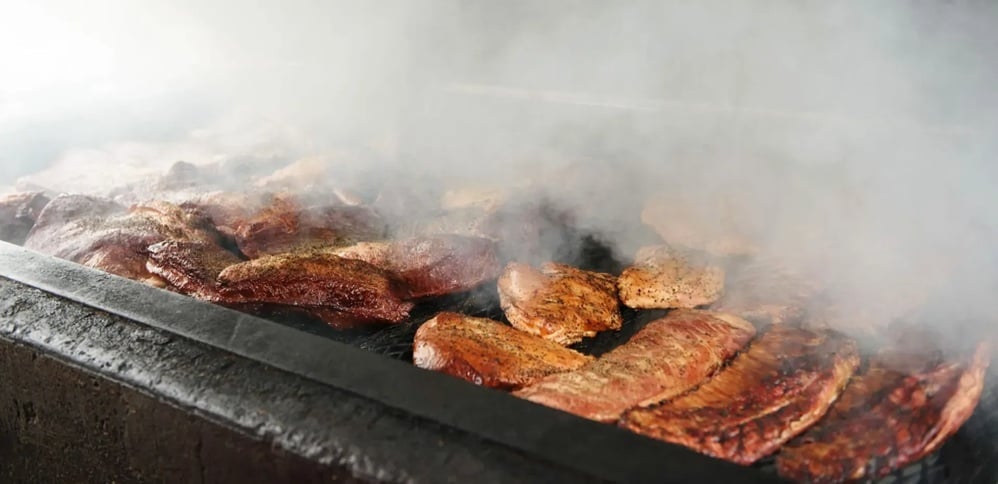
This article explains what good BBQ smoke flavor actually tastes like and how to avoid the mistakes that ruin it.
What People Mean With “BBQ Smoke Flavor”
Most people think “smoke flavor” is just one thing. They imagine smoke as a single taste. But smoke works more like an aroma in coffee or wine. It carries multiple flavor compounds that interact with meat in different ways.
Eddie’s Tip! Good smoke should support the meat’s natural flavor, not overwhelm it or make it taste bitter.
Understanding these flavors is part of the fundamentals of BBQ that every backyard cook should learn early.
What Good BBQ Smoke Should Taste Like
Good BBQ smoke should never overpower the meat. When smoke is used right, it adds depth and balance instead of harshness. You notice it, but it doesn’t take over the whole bite.
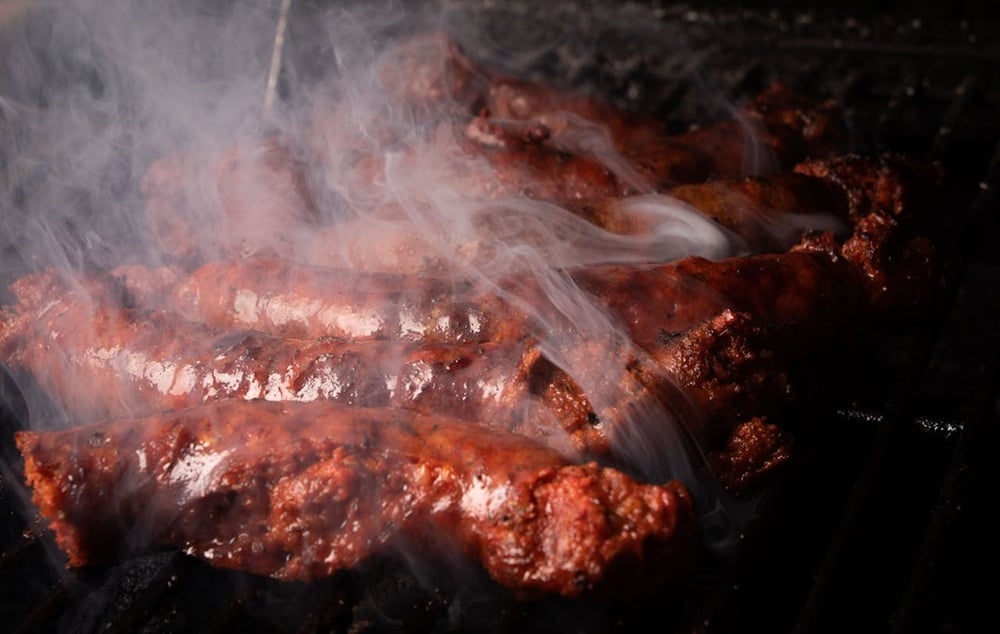
The keyword is balance. Good smoke blends into the meat, the rub, and the fat instead of sitting on top of everything. It leaves a clean finish and makes you want another bite, not a drink to wash it down.
Eddie’s Tip! If your BBQ tastes smoky but still clean and enjoyable, you are doing it right.
Clean Smoke (Balanced and Pleasant)
Clean smoke should enhance the meat, not cover it up. Think of it as a layer of seasoning that lives underneath the rub and natural meat flavor.This is the same mindset I use when teaching the smoking meat basics.
Good smoke flavor is:
- Noticeable but mellow
- Never harsh or bitter
- Complementary to the meat
This is the kind of smoke you want when you are cooking everything from brisket to pork shoulder and even poultry.
Eddie’s Tip! Clean smoke should lift the flavor of the meat, not wear out your taste buds.
How Good Smoke Shows Up on the Meat
When smoke is done right:
- The first bite feels rich without being heavy.
- The aftertaste lingers in a pleasant way.
- The meat, rub and natural juices still shine.
This is why good backyard BBQ is about balance, not intensity. The goal is not punchy smoke, it is smoke that works with the meat.
The Four Flavor Families of Smoke
Different woods and fires create different kinds of flavor, even when the smoke looks the same. Over time, I have found it easier to think about smoke in a few simple flavor families instead of memorizing wood lists.
Earthy / Savory (Bold, Classic BBQ Smoke)
This is the smoke flavor most backyard cooks recognize right away. It is bold, savory, and tastes like real BBQ.
You will usually taste things like:
- Deep
- Savory
- Campfire-like
- Sometimes leathery
Eddie’s Tip! Oak, hickory, and mesquite work great with beef brisket, ribs, and game meats, but a little goes a long way. Too much, and the smoke turns harsh fast.
Sweet / Warm (Soft and Mellow Smoke)
This type of smoke is softer and easier to live with. It does not hit you with that bold campfire taste. Instead, it adds a gentle taste that works really well with lighter meats.
You will usually taste things like::
- Slight sweetness
- Warm, mellow finish
- A softer finish that doesn’t linger too long
Eddie’s Tip! Woods like pecan and maple are great for pork and turkey. They add good smoke flavor without overpowering more delicate meats.
Fruity / Bright (Light and Fresh Smoke)
This smoke flavor is lighter and more noticeable on the nose than on the tongue. It adds a fresh, slightly sweet touch that lifts the meat instead of weighing it down.
You will usually taste things like::
- Light sweetness
- Slight fruity aroma
- Clean finish
Eddie’s Tip! Apple and cherry are great for adding a touch of sweetness and color, but I use them as accent woods. A little goes a long way, especially on pork and chicken.
Mild / Clean (Subtle, Clean Smoke Flavor)
This is the most subtle smoke flavor of all. When it’s done right, you barely notice the smoke itself, but the meat still tastes better.
You will usually taste things like::
- Very light
- Clean
- Almost invisible when done right
Eddie’s Tip! Woods like alder are best when you want a very light smoke touch. I use them for fish, seafood, or poultry when I don’t want smoke to steal the spotlight.
Smoke Intensity vs. Smoke Flavor
Good BBQ is about flavor balance, not how much smoke you can produce. Once you separate intensity from flavor, everything else starts to click.
Heavy smoke:
- Hard on your palate
- Masks natural meat flavors
- Turns bitter fast
Balanced smoke:
- Enhances meat flavor
- BBQ taste better without being obvious
- Keeps you wanting another bite
Eddie’s Tip! A little clean smoke at the right time builds better flavor than dumping on as much smoke as possible.
Why People Often Oversmoke Without Realizing It
Your nose gets used to smoke fast, and that makes you think you need more wood when the taste is really already there. Most backyard cooks over-smoke because they stop smelling it before the smoke gets heavy on the meat.
This is also why adding wood in small steps improves consistency.
What Causes Bad Smoke Flavor In BBQ
When BBQ tastes bitter or ashy, it usually is not the meat or the rub. Bad smoke flavor almost always comes from a few common mistakes that are easy to fix once you know what to look for.
Dirty Fire and Poor Combustion
If wood does not burn cleanly, it produces smoke with bitter, ashy compounds.
- White, thick smoke = unburned particles
- Thin, light smoke = cleaner burn
This is something I see a lot when people are learning offset smoker cooking.
It can also sneak up on you when cooking on kamado grills, since they hold heat and smoke so well.
Wrong Wood for the Meat
Not all woods are created equal, as you read above. Strong woods like mesquite can overpower poultry, while mild woods like alder can be lost on a long brisket cook.
Eddie’s Tip! Matching the wood you use to the meat is a skill worth learning
How to Build Better Smoke Flavor
Good smoke flavor is not complicated. It comes from a clean fire, the right amount of wood, and knowing when to let the grill do its thing.
Choose Your Woods Like a Pitmaster
Great BBQ usually uses more than one wood type. Starting with a base wood and adding lighter woods later layers flavor without overdoing it.
This technique is called “smoke layering” and it helps keep smoke flavor balanced. I only do this when I have the time to watch the smoker the whole cook.
Watch Your Smoke, Not Just Your Fire
Clean, thin smoke is your friend. Thick, white smoke is a tell-tale sign your fire is not burning right. Fix airflow, add dry wood, and let it burn hotter before you add more wood.
Having reliable BBQ thermometers helps you avoid choking the fire and creating dirty smoke.
BBQ Smoke Flavor – My Experience
My BBQ got better once I stopped chasing big smoke and started paying attention to how it actually tasted. Early on, I thought more smoke meant more flavor. Most of the time, it just meant bitter meat and a dry mouth.
I still use heavy smoke sometimes at the beginning when the meat is still moist and cool.
After that, I focus on clean fire, lighter smoke, and balance. I add wood with a purpose instead of tossing it on out of habit.
When the smoke smells good, the food usually tastes good too.
I have learned that great BBQ smoke works in the background, lifting the meat instead of covering it up. Once I started cooking that way, my results got more consistent and a lot more enjoyable to eat.
That’s when BBQ stopped feeling like guesswork and started feeling natural.
Eddie van Aken – The Grilling Dutchman
Eddie van Aken brings years of experience from running a full-service restaurant, where he honed his skills with all types of kitchen equipment. His expertise extends to mastering the art of outdoor cooking, utilizing the right recipes to enhance flavors on grills and smokers. Eddie’s in-depth knowledge allows him to provide comprehensive grill reviews and valuable outdoor cooking tips, helping enthusiasts make the most of their grilling adventures. You can read more on the About page for Eddie van Aken